Tag: MoMA
-
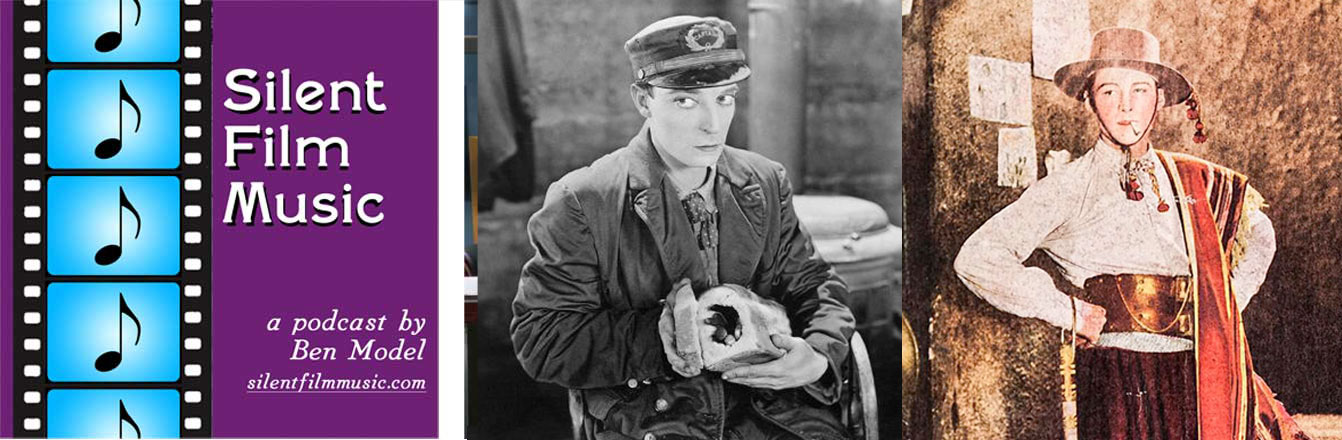
ep. 38: scoring for scenes that suggest or specify a piece of music, and scoring a film from 1948
On this episode Ben talks about meeting an audience’s expectations of a score when a certain piece of music or style is indicated onscreen, and in a rare case of a non-narrative film made after the silent era. Also covered are silent era mood cues and cue sheets, Marion Davies in “When Knighthood Was in…
-
ep. 37: Mostly Lost, Keaton’s The Cameraman and The General, an electric organ and Laurel & Hardy
On this episode Ben talks about: the annual Mostly Lost film identification workshop at the Library of Congress, currently postponed until 2021; underscoring a key scene in Keaton’s “The Cameraman” and noticing a parallel with “Singin’ In The Rain”, playing for “Spite Marriage”, the challenge of introducing and presenting “The General” at a college show;…
-
ep. 36: scoring Robin Hood and a 1927 Carmen, using the orchestral and cartoony sounds of a theatre organ, more live-streaming
On this episode Ben talks about: using music an audience may or may not expect to hear during a film in preparing scores for shows of Fairbanks’ “Robin Hood” and Raoul Walsh’s “Loves of Carmen”; using underscore to help smooth over missing footage; playing the theatre organ like it’s an orchestra and sparingly using its…
-
Finding a Chestnut in a Haystack
The Mack Sennett films released through Paramount in the late ‘teens give you the impression that an effort was underway to take the Keystone format up a level. That is, if you can see one of the Paramounts. Despite who produced them and who released them, they don’t survive well and are remarkably difficult to…
-
The Sounds of the Silents — Theatre Organ Accompaniment in NYC, part 3
When I meet people from other parts of the country and tell them I’m a silent film accompanist , they are often surprised when I tell them there are (currently) no theater organs in Manhattan. There are instruments around the west coast, several areas in the Midwest and the southeast US that get used for…
-
Playing The Audience In To A Film
I don’t remember how or when I started doing this, but I’m certain it’s something I picked up or learned from Lee Erwin. I start playing before the film begins. I’m pretty sure it’s a traditional way to begin a show that theatre organists use and have used since the silent era. Aesthetically, it makes…
-
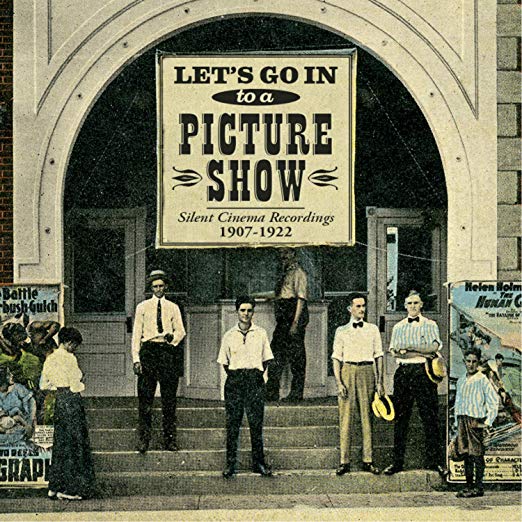
“Let’s Go In to a Picture Show” – popular songs about silent movies
I first heard about this CD project during the Arbuckle retrospective I co-curated for MoMA in 2006 with Ron Magliozzi, Curator in MoMA’s Department of Film and with Steve Massa. Ron had spent a number of years acquiring dozens and dozens (hundreds, maybe?) of pieces of sheet music from the 1910’s and 1920’s for MoMA…
-
Looking for Squibs
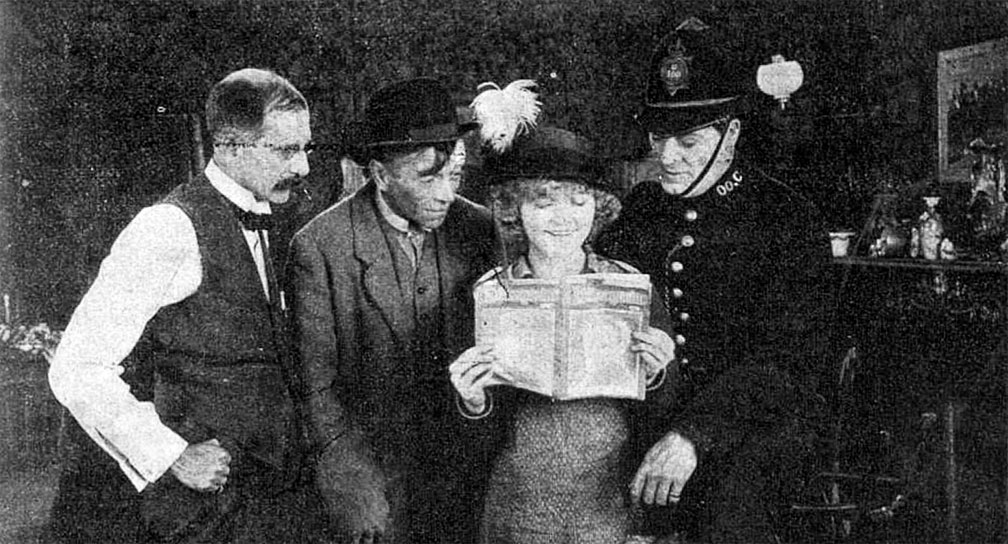
Two main elements in film programming, I’ve found, are knowing the films and knowing where prints of them are. The rest, to a certain degree, is setting the table or parking cars in a lot. Sometimes the prints turn up in unlikely places, and one film we scheduled for Silent Comedy International at MoMA (Nov 23…
-
Before There Was Parkour, There Was…Douglas Fairbanks
There is no deeply dramatic reason for Douglas Fairbanks to leap over the benches and fences or climb the trees or anything else of extreme athleticism he does to get from point A to point B in American Aristocracy (1916), except that he is Douglas Fairbanks. What else would you expect from him? How much…