Ben Model’s blog
-
The tag-line above first appeared in 1929, the final year of the silent film era. The idea encouraged busy Americans to pause and enjoy a carbonated beverage. Today we may substitute the act of taking a cleansing breath. In a restaurant…perhaps some sorbet before moving on. Intertitle cards in silent…
-
But First, A Few Words…
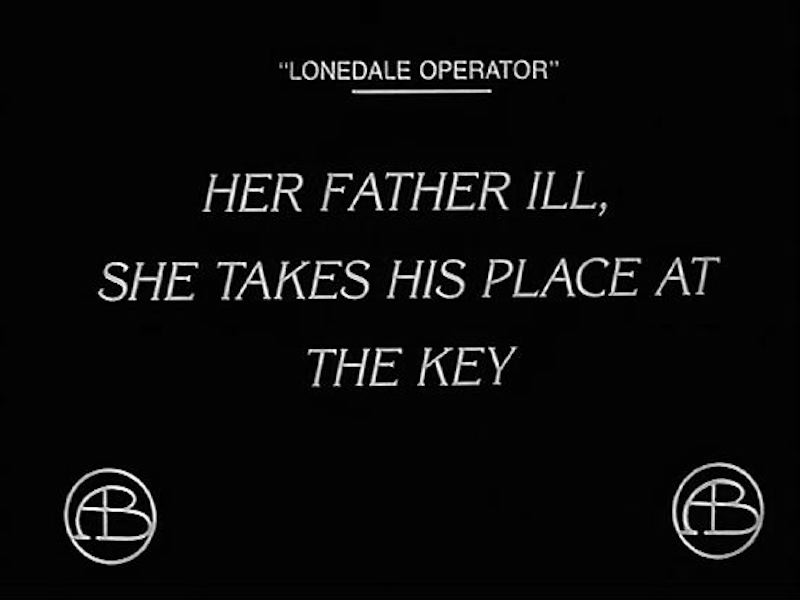
If there’s one other ubiquitous stereotype people have about silent movies besides heightened or exaggerated gesturing it’s the use of title cards. It’s more true and prevalent than the face-pulling and gesticulating people assume is part of the medium, and rightfully so. The title cards bearing text that appear in…
-
While We Change Reels…An Opening Statement
It’s possible I’ve taken up the carpet before I took up the tax. I’ve written sixteen posts so far in this daily series I launched into on January 22. I kinda hit the ground running, and have realized I hadn’t laid out why I was doing this or what I…
-
I’ll Just Take the Check, Please
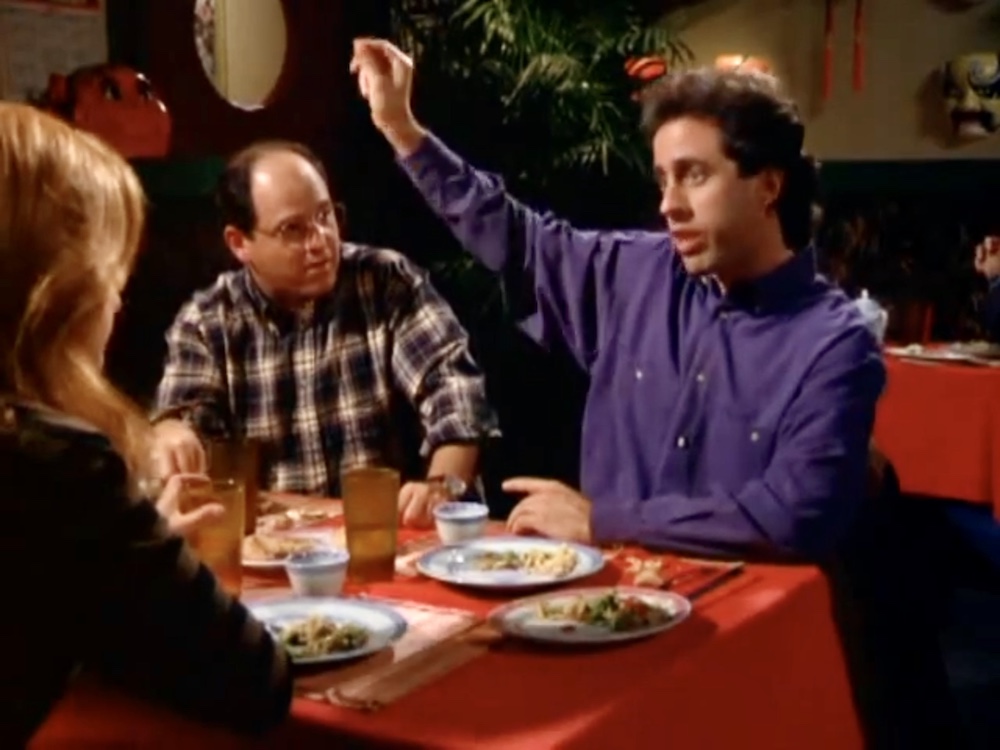
This subtle miming-to-support-what’s-being-said or conveyed appears to have gotten itself set and codified by the mid-‘teens. It didn’t change much for the rest of the silent era, aside from being used a little less as needed. This may not have done deliberately, but during the last fifteen years of the…
-
Just Enough For Us to Decode
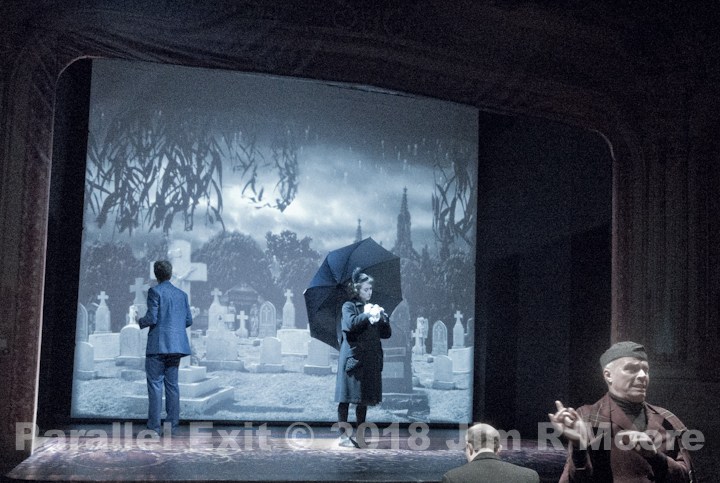
There is an aspect of physical performance in Silent Film that lies somewhere between what I’ve been writing about and not doing anything different that you’d do in a sound film. It allows for just enough information to come across to us out in the theater or on our sofa…
-
Drawing on Theatrical Performance
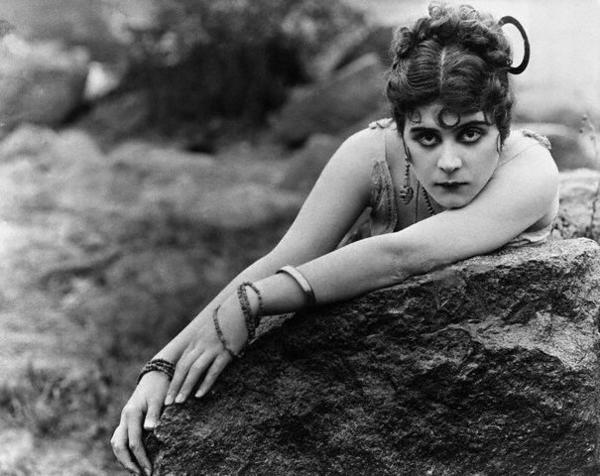
The movement and performance styles in silent films evolved during the 1910s and 1920s, becoming less theatrically-rooted and more naturalistic or at least authentic. But enough of what was adapted to a specific performance style, unique to Silent Film, remained at the end of the 1920s. How much of that…
-

Monologuing in Silents
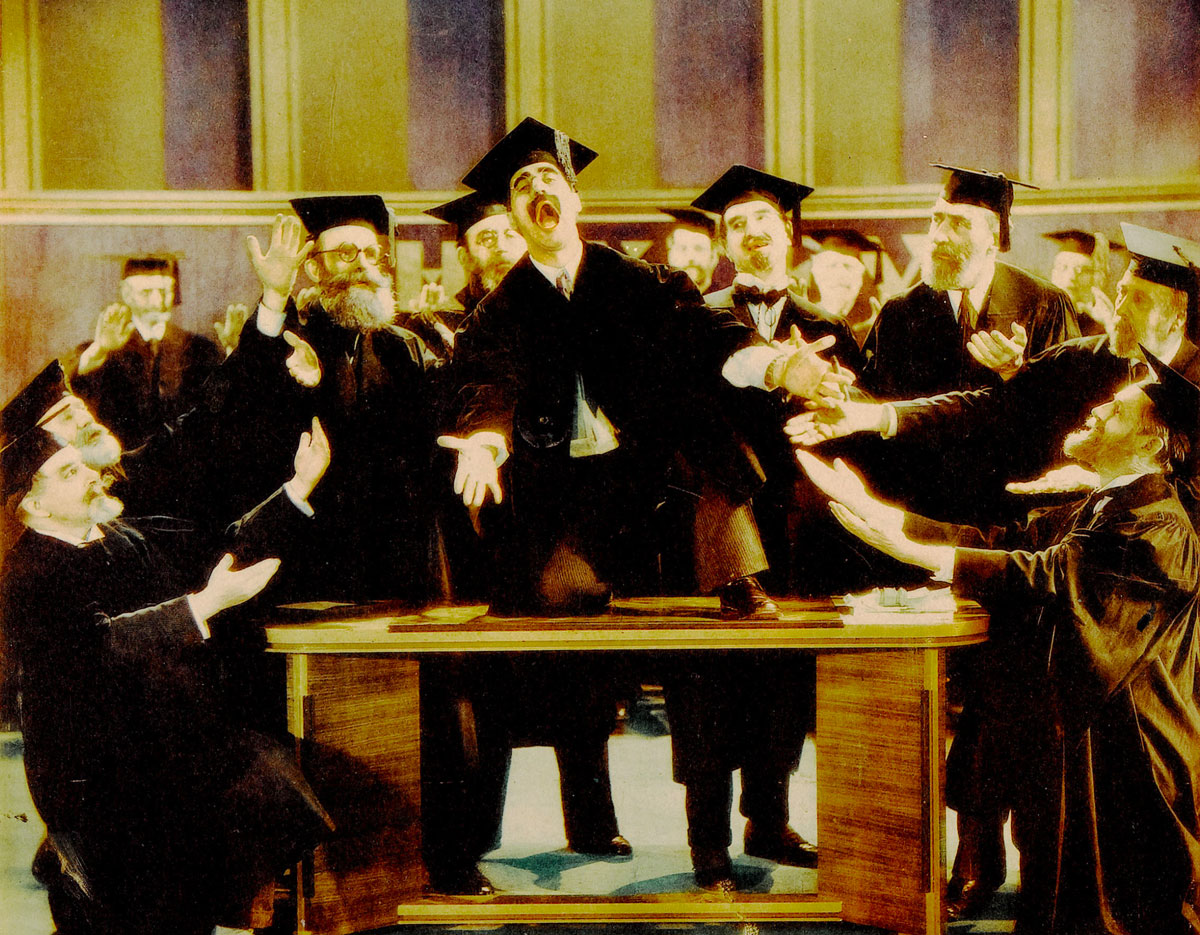
In some early silent films one of the main characters will face the camera or at least what it appears they think is an audience, and will talk through the screen’s fourth wall. Makes me think of that moment in “Animal Crackers” (?) when Groucho turns to us and takes…
-
Movement in Moving Pictures
Our performers convey information and emotion to us in their movement, gestures and expressions. They have to. The movement styles and techniques we see in Silent Film range from obvious gesturing that is what some assume is typical of pre-1930s movies to profoundly underplayed emotional stillness. Some of that gesturing…
-
Trimming the Fat
One of the ways Silent Film economizes on storytelling information is by the dropping of non-essential bits of information in a scene. Sometimes these are at the beginning of a scene. But the general idea is to keep moving, and to keep the important dramatic beats — or comic ones…
-
You Can’t Look Away
Let’s start with what we are presented with, what we are literally looking at, when we view a Silent Film. Because it is a purely visual medium, although aided and abetted as needed by the music, it’s the visual cues that are the way that we’re getting any information. This…