
Ben Model’s blog
-
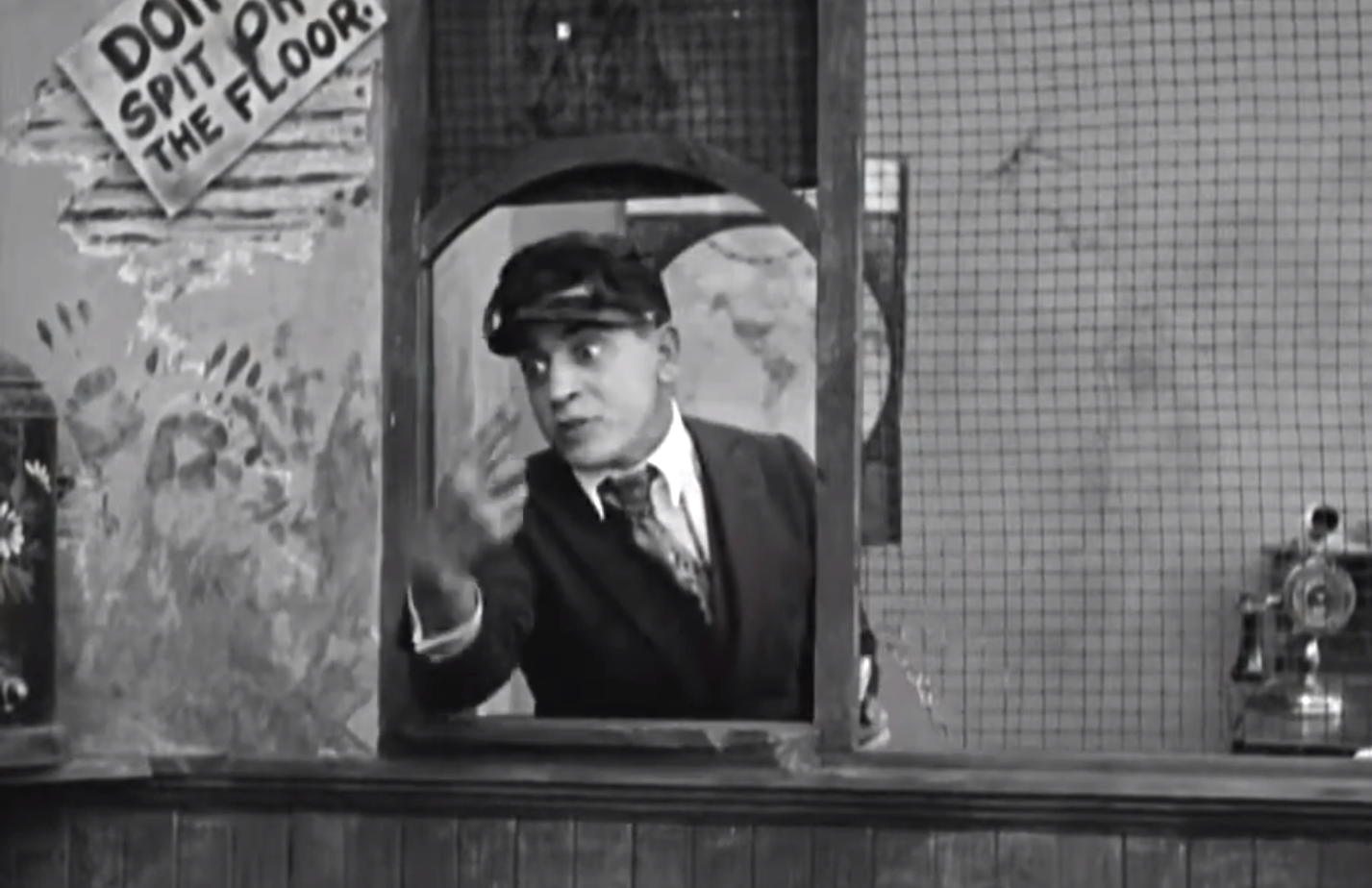
What struck me and stayed with me for years was the scene in A Dog’s Life (1918) where Charlie is in an employment office. As presented in The Chaplin Revue (1959), the film was step-printed so that it would be appear to be running at 16 frames per second even…
-
Charlie Chaplin, Step By Step
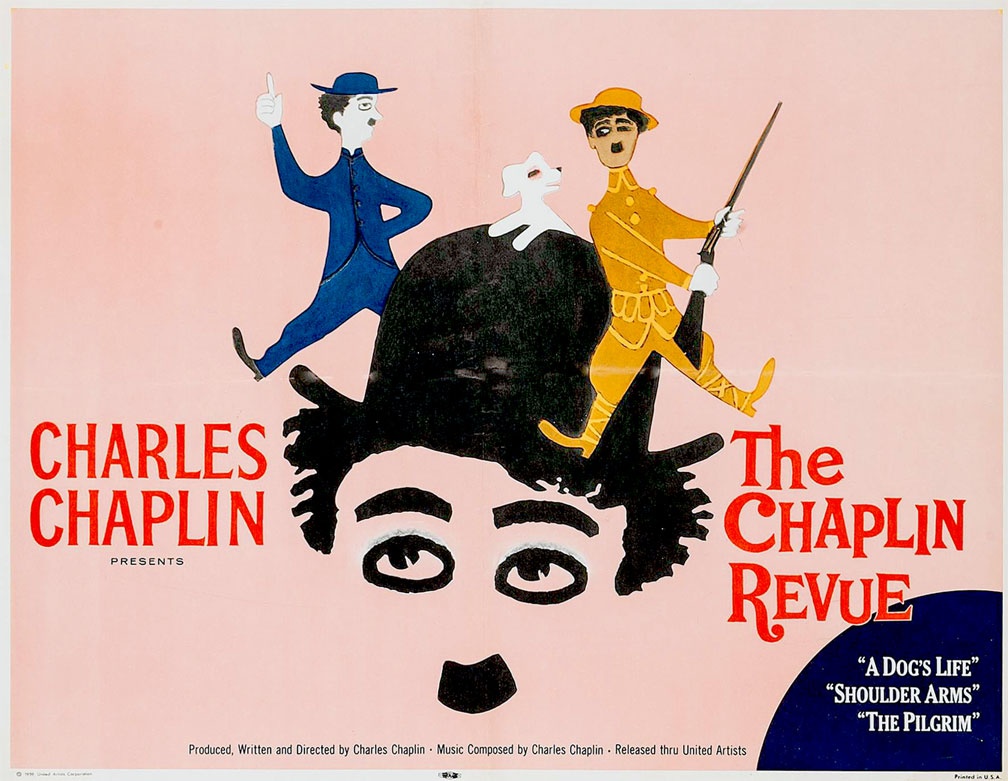
At some point when I was in college or somewhere in my 20s, I saw “The Chaplin Revue” at the Carnegie Hall Cinema, also known as the Little Carnegie. Lee Erwin accompanied the film on the theater’s Wurlitzer organ, and that was the main reason I’d attended the show. Something…
-
Herky-Jerky Movements, Un-herked and Un-jerked
In the same way that silent film can be over-sped, with variable speed projection as an option there’s also the possibility of a film being run a bit slower than it ought to be. This can be pretty subjective. But — as with over-speeding — if there’s some knowledge about…
-
Over-Speeding and Keystone Cops
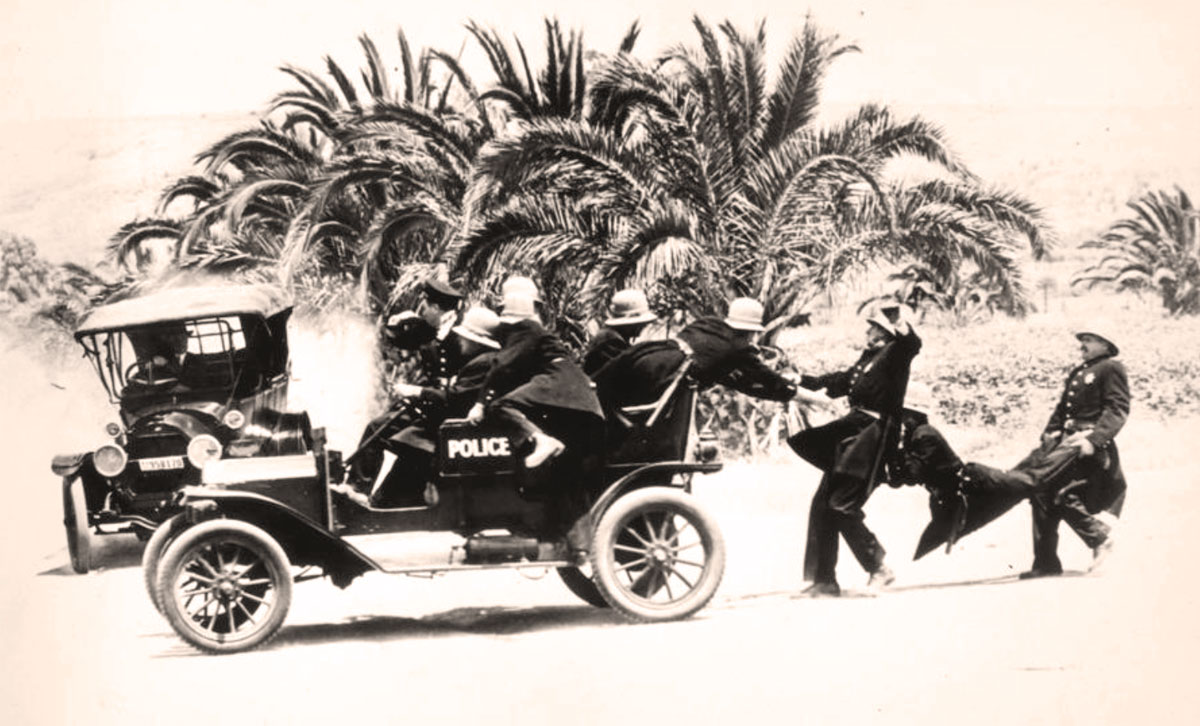
Yes, sometimes silent films are run too fast, faster than they ought to be. Some of them, anyway. For a long time, there weren’t any options about this, and this either became something fans got accustomed to or became a stereotype about silent movies that could be off-putting. The projection…
-

Exploring Silent Film, I Feel The Need…The Need For Speed
This fall will mark 40 years since I began accompanying silent films. I’ve played to hundreds and hundreds of them, in a wide variety of venues and in a number of formats. One thing I’ve noticed and that my colleagues have as well is that when a silent movie is…
-
“Undercranking”, the Key to the Silent Film Universe
I don’t know when I first noticed the aspect of Silent Film that I quasi-retroactively refer to as “undercranking”. It’s also unclear when actors and directors in silent movies started using it. But it does appear to be ubiquitous in practice from a certain point in the early or mid-‘teens…
-
(My) Best Laid Plans…
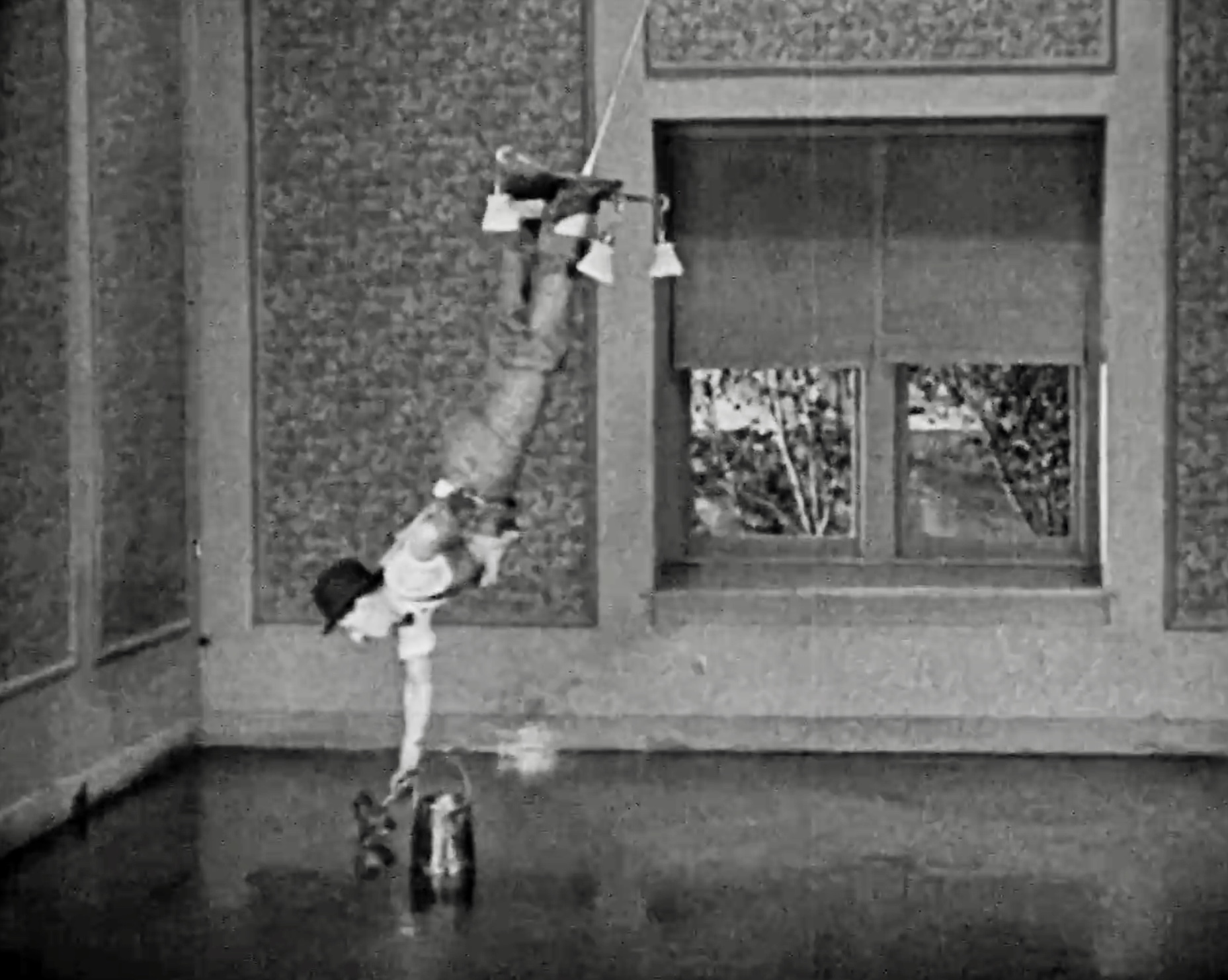
I started blogging as daily as possible back in late January, getting my ideas about the Language of Silent Film and my impressions and understandings of it “on paper” and out of my head. My plan was to try to write these pieces in a deliberate order. Which worked fine…
-

Knowing What Everyone’s Thinking
I remember seeing an interview several years ago with someone involved with Blake Edwards’ “Victor/Victoria“ who said that one of the challenges in moving the film to stage was that you couldn’t have those close-ups of different characters thinking “wait a second, is that person actually…?” Which is half of…
-
Blending Visual Ingredients
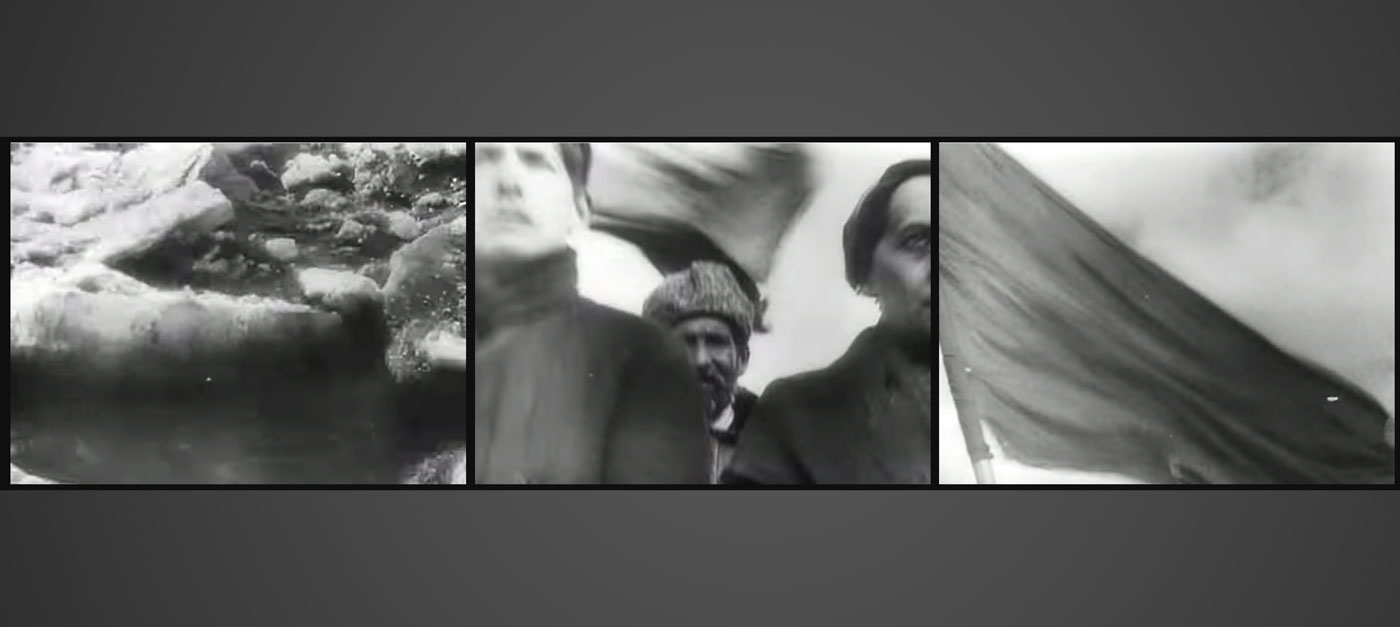
Soviet cinema in the 1920s takes the Silent Film use of showing us something that represents a fuller picture for us to fill out to another level. Borrowing on some of the editing techniques seen in Griffith’s films to build tension or create an impression, filmmakers like Pudovkin, Eisenstein, Vertov…
-
Meanwhile, Just Out of Camera Range…
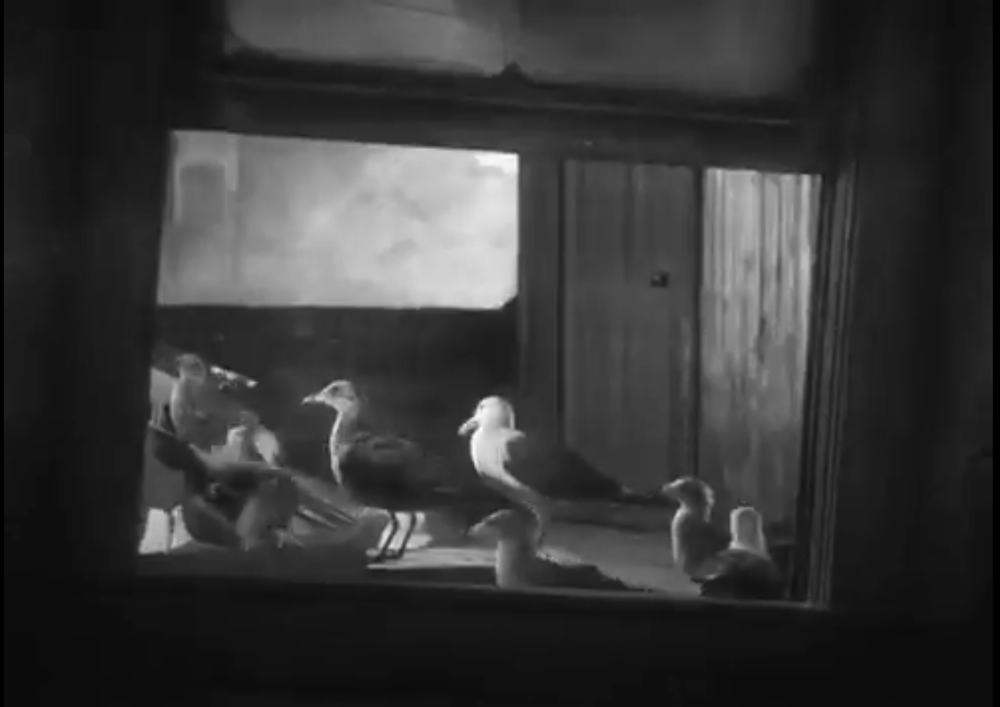
Silent Film’s visual shorthand can also ask us to conjure up an event or physical act by not showing it at all. Films in the 1930s, or earlier, might avoid depicting something particularly nasty by cutting to a shot showing a wall silhouette. Silent Film, because of its absence of…