Ben Model’s blog
-
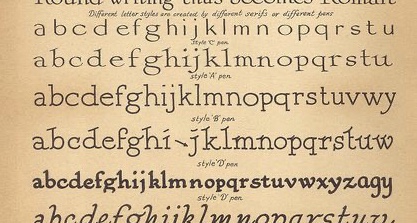
The typefaces and hand-lettering styles in films from the silent era do not have a wide variety, and for the most part they were already familiar to audiences. There are maybe five or six that one sees in a majority of silent movies, but they’re also visible elsewhere, in print…
-
With Titling, Size Does Matter
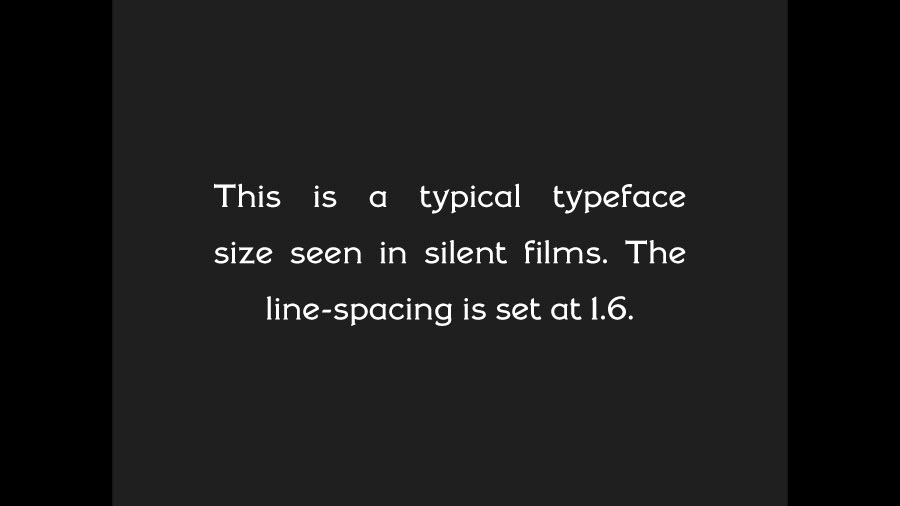
Sub-titles in Silent Film are easy to read. They have to be. They interrupt the action, throw us a bone (or two), and hop back off the screen. Along with the economy of the text and the screen-time duration, the way the text is laid out was also pretty consistent…
-
All in the Timing
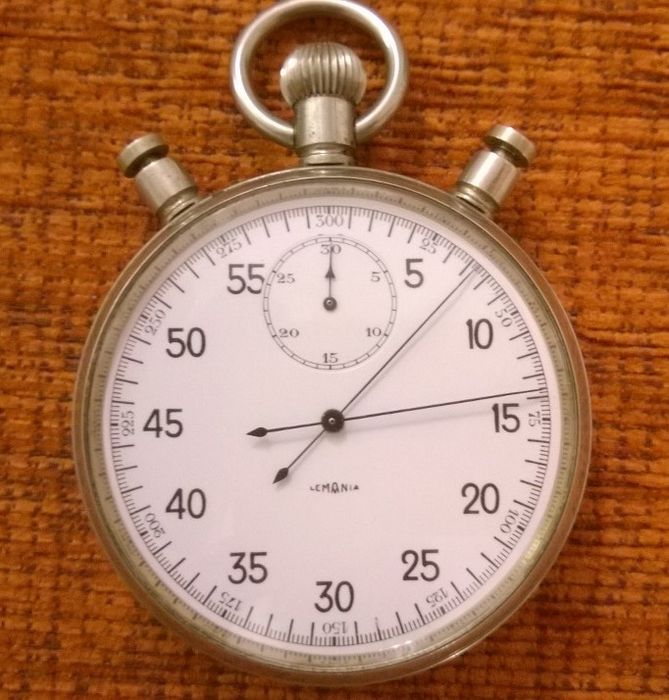
I have no idea how this unwritten law of Silent Film sub-titling came to be, how it was determined or codified. And yet, the screen-time duration of any given “intertitle” appears to be pretty consistent from the late-‘aughts through the end of the silent era, and even into early’30s talkies…
-
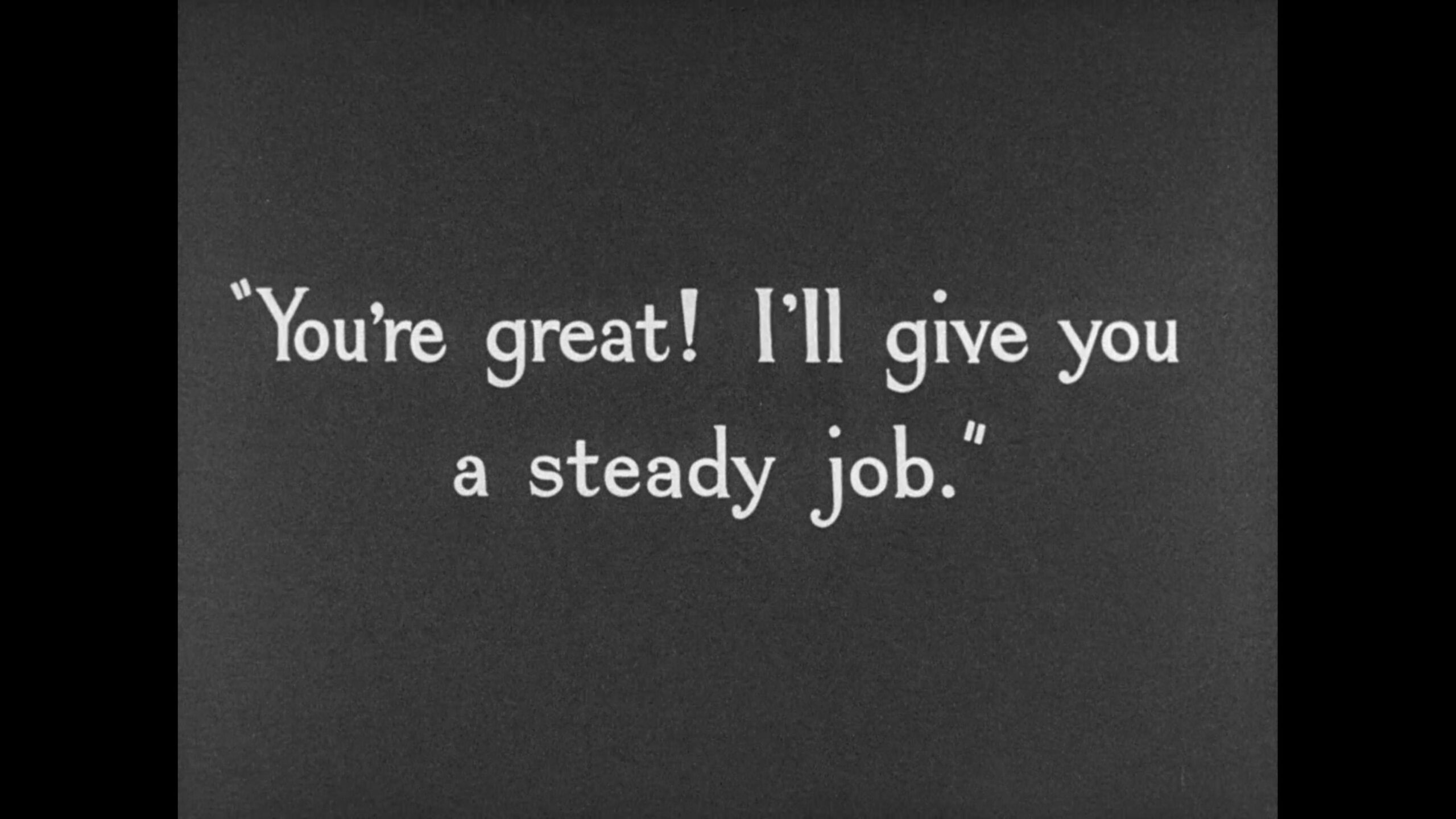
Choose Your Words Carefully
There is an economy to the text in the sub-titles in Silent Film. Even in the wordy expositional titles, there’s a care and often a precision taken to expressing what needs to be gotten across in a sentence, or two. After all, the title card is something of an interruption,…
-
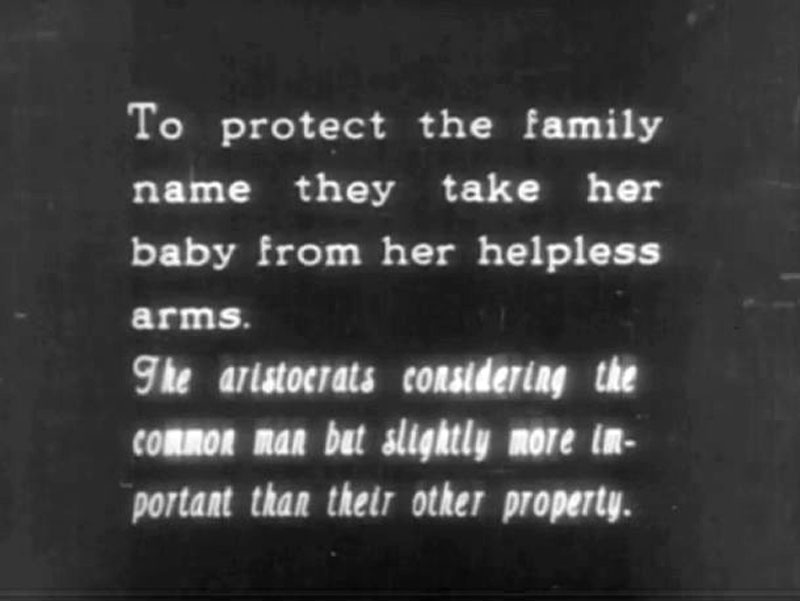
A Voice that Comes and Goes
Sometimes the expositional sub-titles in Silent Film may have a little more personality or a persona to them. But not always consistently throughout the picture. This is not set up for us in any way, it merely happens. One somewhat prominent example is D.W. Griffith, in his features of the…
-
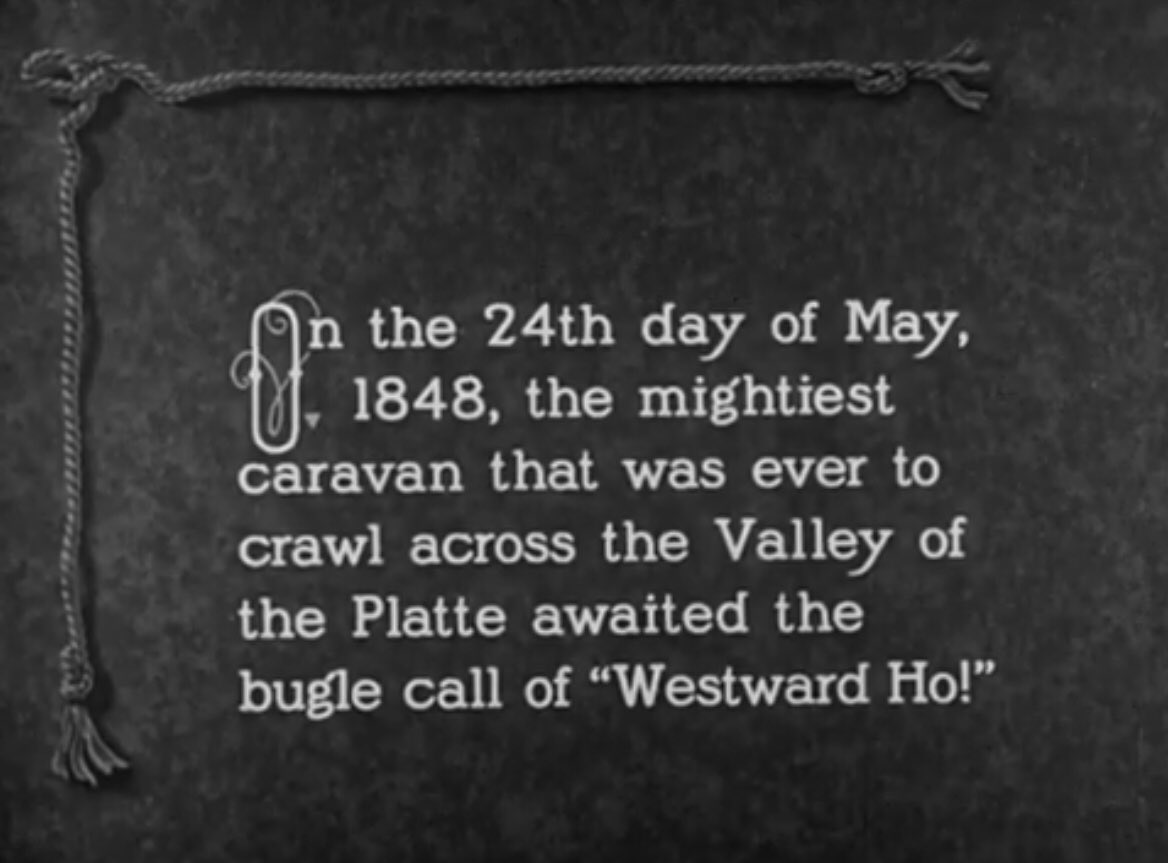
The Disappearing Storyteller
One type of sub-title in Silent Film is the one whose purpose is to feed us exposition. A disembodied narrator we never meet or are introduced to, appearing only sparingly, giving us just enough information so we know where we are now, or when, or so we know of a…
-
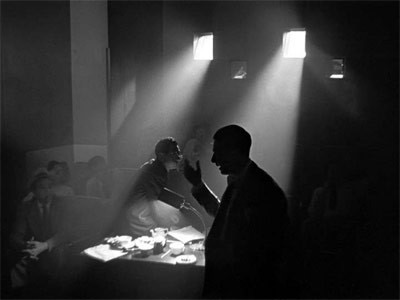
Able To Shift Perspectives in a Single Bound!
The universe of Silent Film allows for something that may be possible in sound film or in literature, and isn’t something we’re aware of as an audience. It’s a natural part of the narrative landscape and doesn’t come off as a clever device. In films like Citizen Kane (1941) or…
-
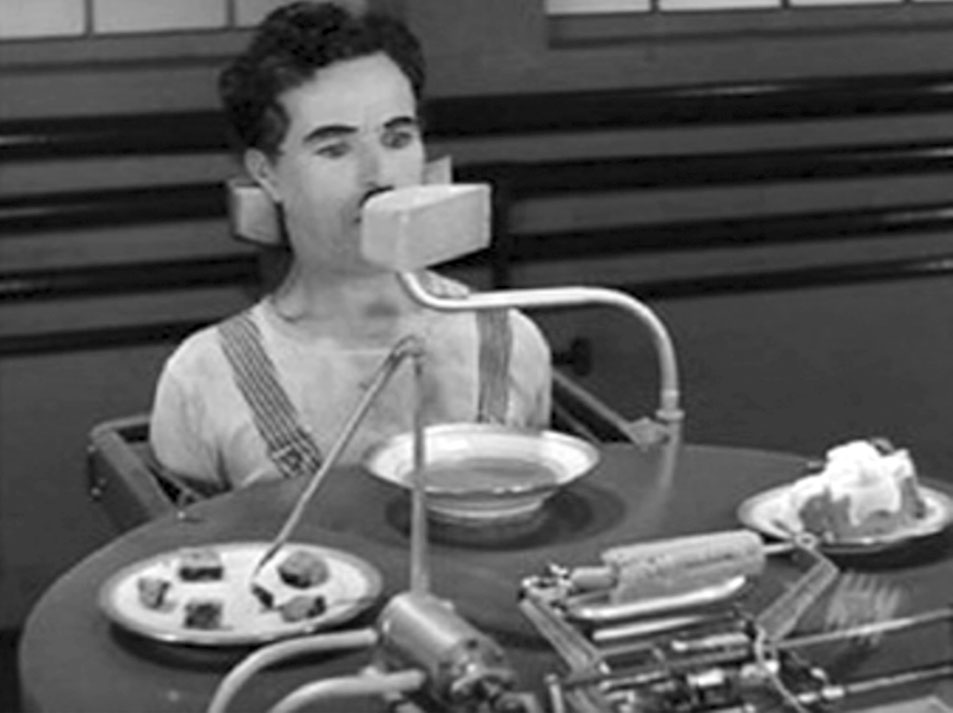
“The Pause That Refreshes”
The tag-line above first appeared in 1929, the final year of the silent film era. The idea encouraged busy Americans to pause and enjoy a carbonated beverage. Today we may substitute the act of taking a cleansing breath. In a restaurant…perhaps some sorbet before moving on. Intertitle cards in silent…
-
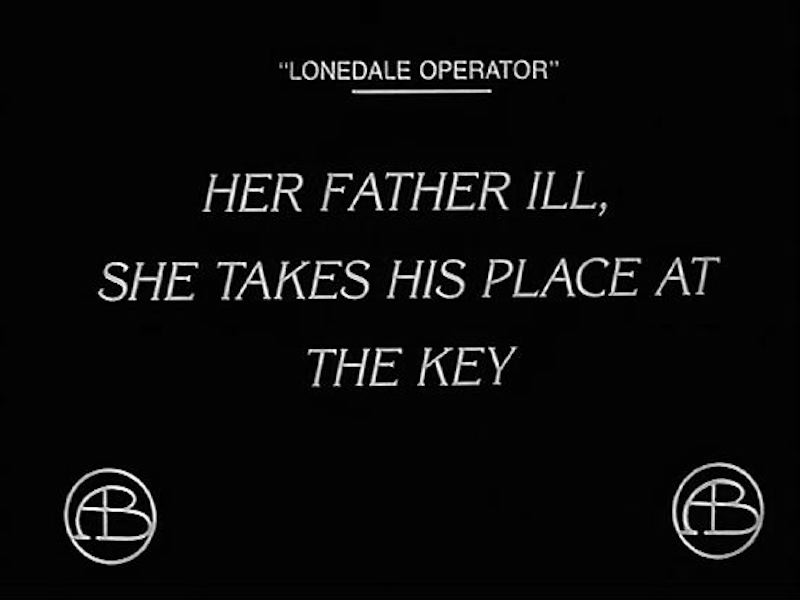
But First, A Few Words…
If there’s one other ubiquitous stereotype people have about silent movies besides heightened or exaggerated gesturing it’s the use of title cards. It’s more true and prevalent than the face-pulling and gesticulating people assume is part of the medium, and rightfully so. The title cards bearing text that appear in…
-
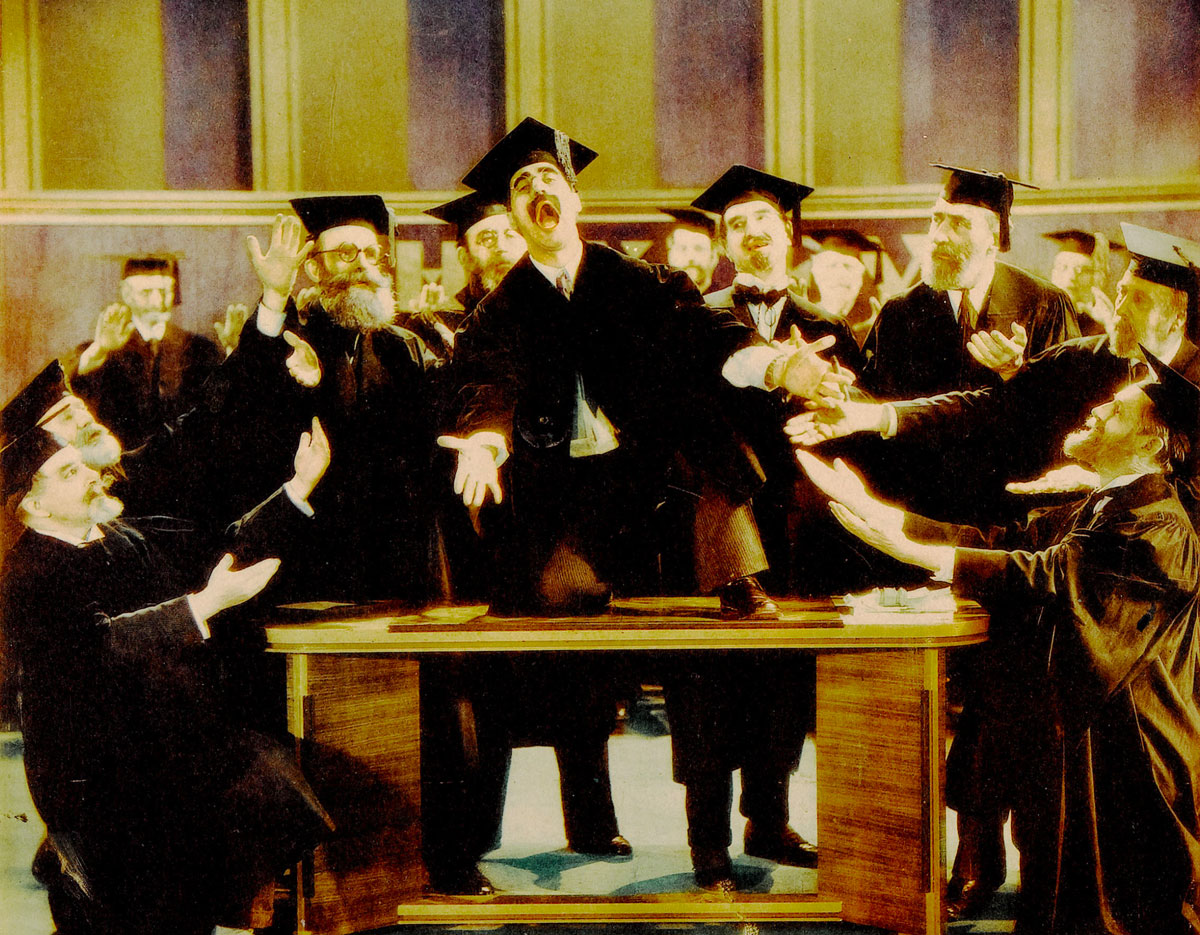
While We Change Reels…An Opening Statement
It’s possible I’ve taken up the carpet before I took up the tax. I’ve written sixteen posts so far in this daily series I launched into on January 22. I kinda hit the ground running, and have realized I hadn’t laid out why I was doing this or what I…