
Ben Model’s blog
-
I remember seeing an interview several years ago with someone involved with Blake Edwards’ “Victor/Victoria“ who said that one of the challenges in moving the film to stage was that you couldn’t have those close-ups of different characters thinking “wait a second, is that person actually…?” Which is half of…
-
Blending Visual Ingredients
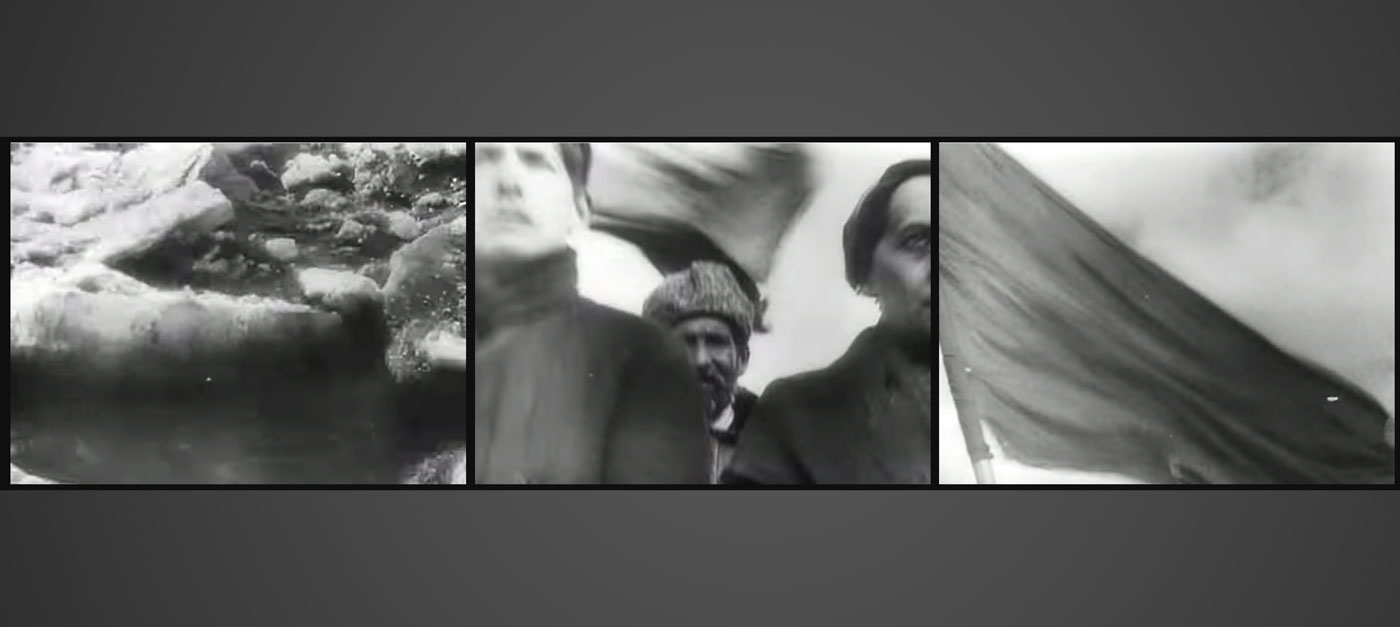
Soviet cinema in the 1920s takes the Silent Film use of showing us something that represents a fuller picture for us to fill out to another level. Borrowing on some of the editing techniques seen in Griffith’s films to build tension or create an impression, filmmakers like Pudovkin, Eisenstein, Vertov…
-
Meanwhile, Just Out of Camera Range…
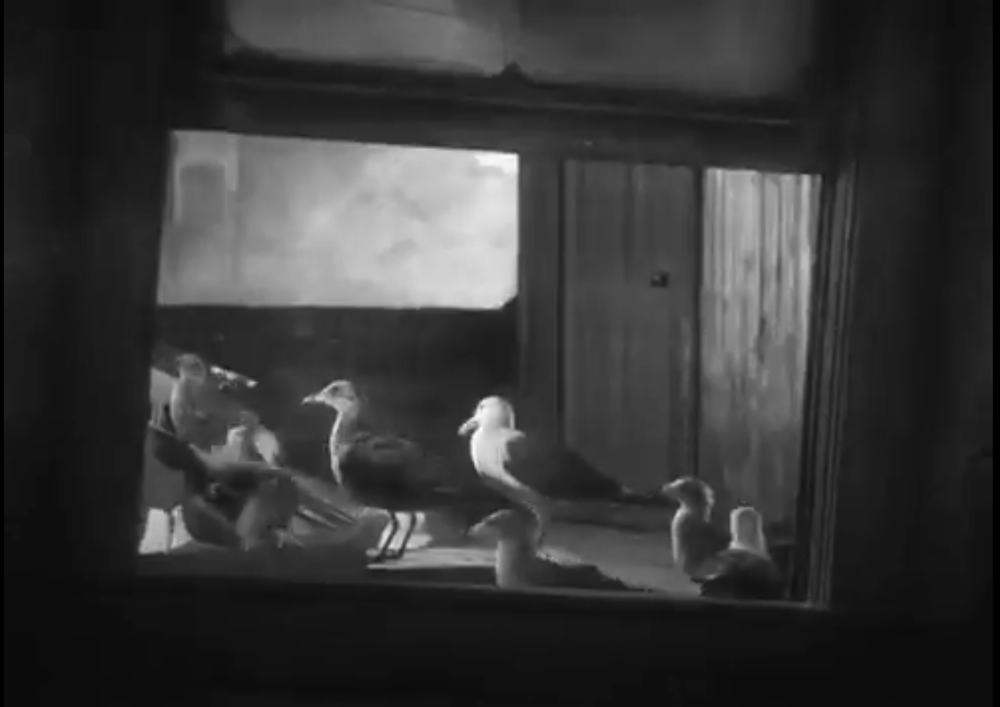
Silent Film’s visual shorthand can also ask us to conjure up an event or physical act by not showing it at all. Films in the 1930s, or earlier, might avoid depicting something particularly nasty by cutting to a shot showing a wall silhouette. Silent Film, because of its absence of…
-
Take the Hint
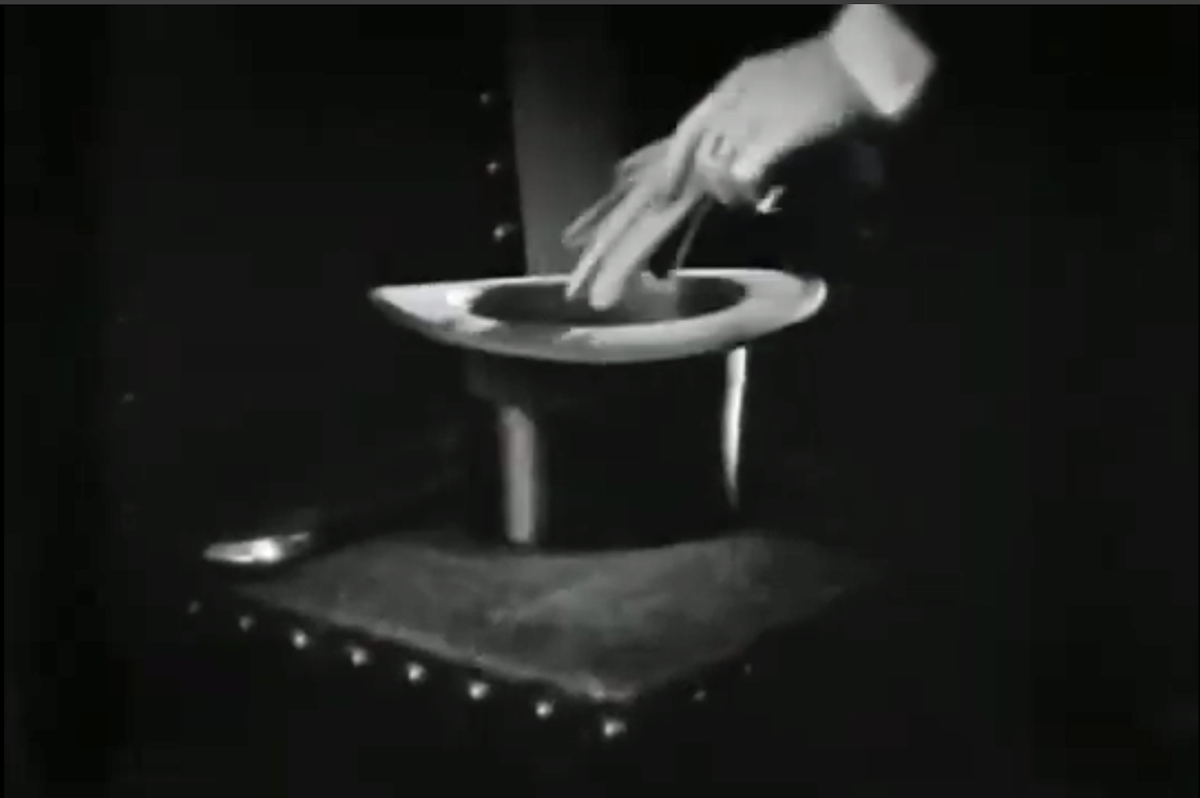
The visual shorthand of Silent Film also functions with physical objects. Often, by connecting them with other objects or between shots of people, an impression is intended to be made on we viewers, rather than spelling the point out blatantly. The Soviet filmmakers had a field day with this. The…
-
Some Cultural Shorthand
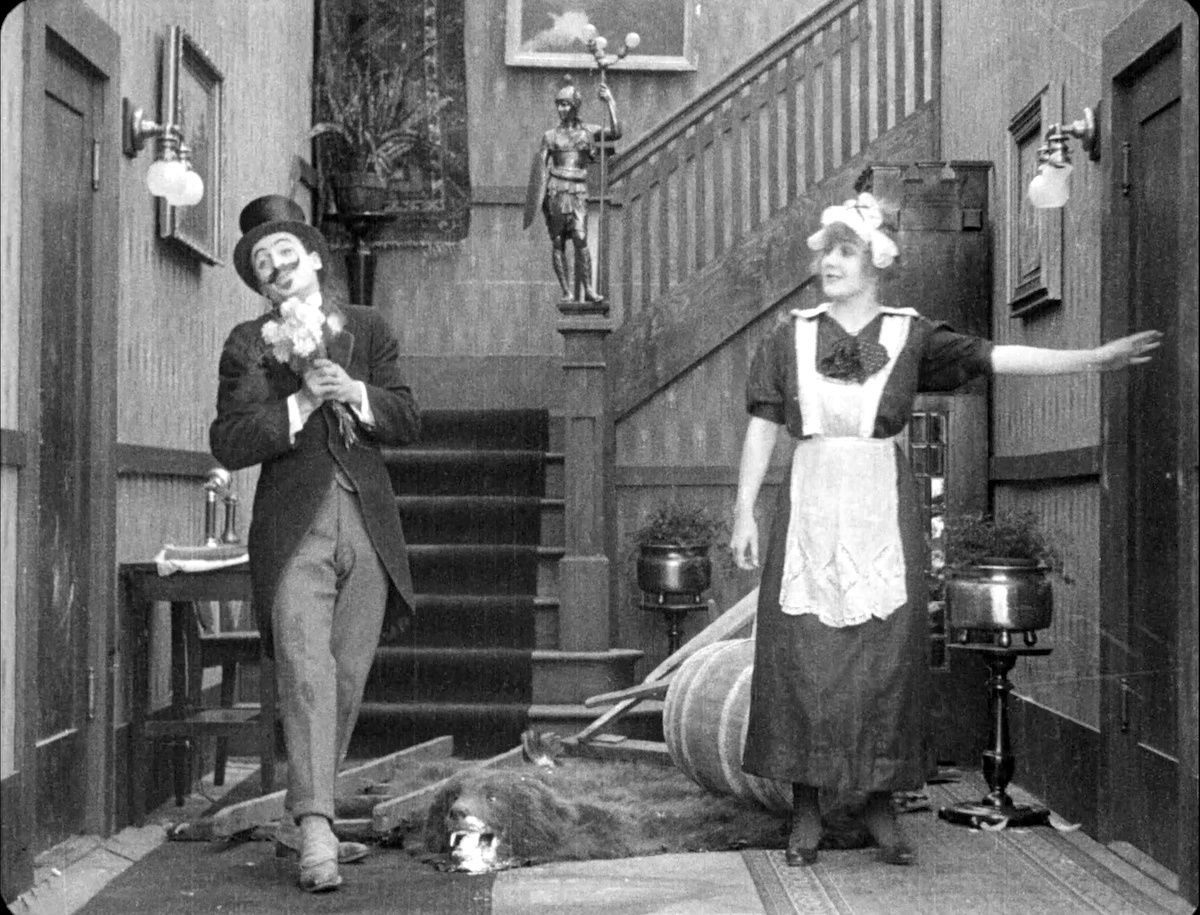
This visual shorthand employed in Silent Film helps us know immediately what sort of behavior to expect of the person we see on screen. It invites us to make assumptions about their needs or wants or fears etc, and assumes we all have a shared expectation of a character who…
-
Trick or Treat!
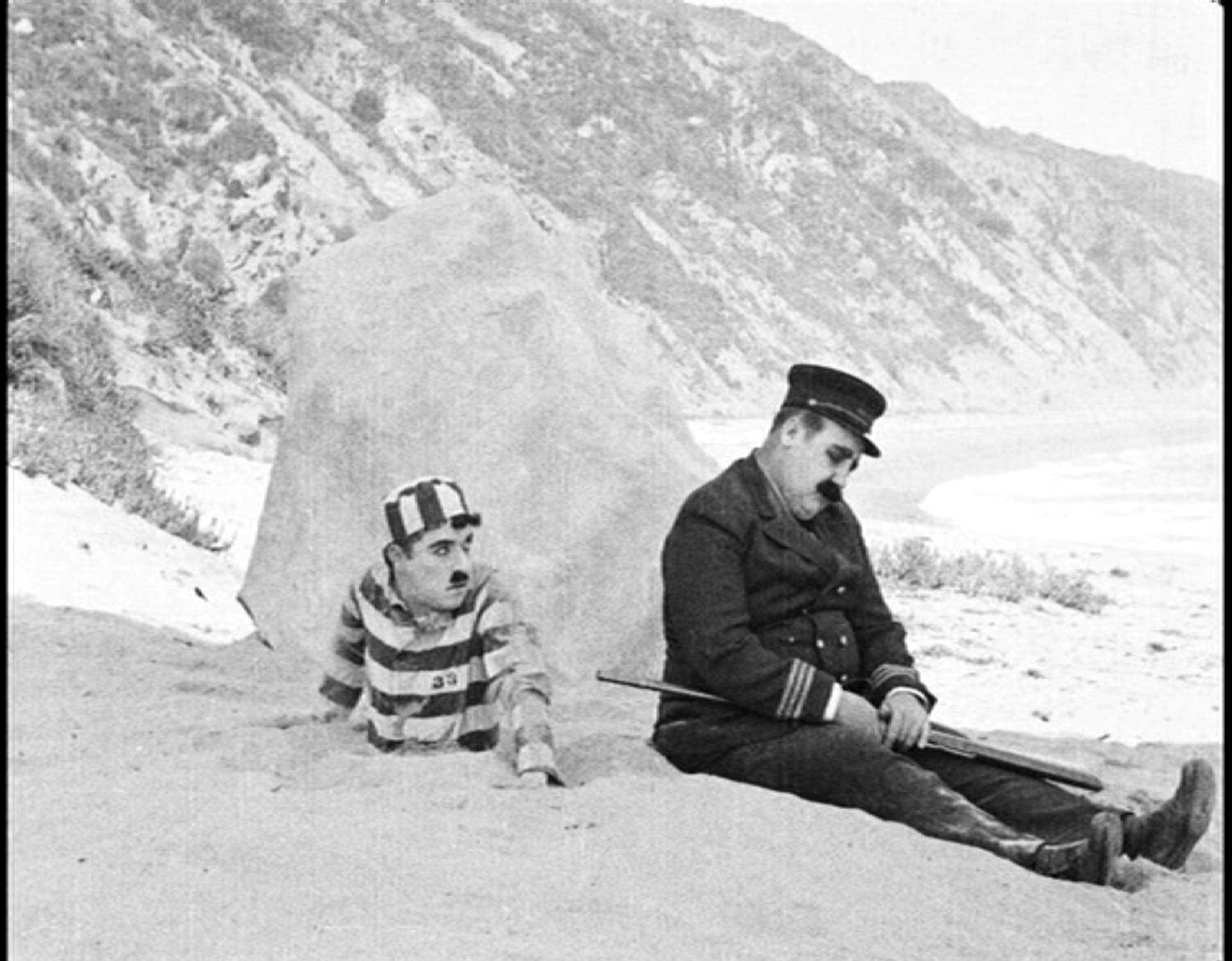
We know who on the train with us is a conductor by their uniform. When I see a film crew in my neighborhood, I know which of the people standing around drinking coffee is going to stop me from walking because they’re holding a walkie-talkie and because they’re in the…
-
The Boy, The Girl
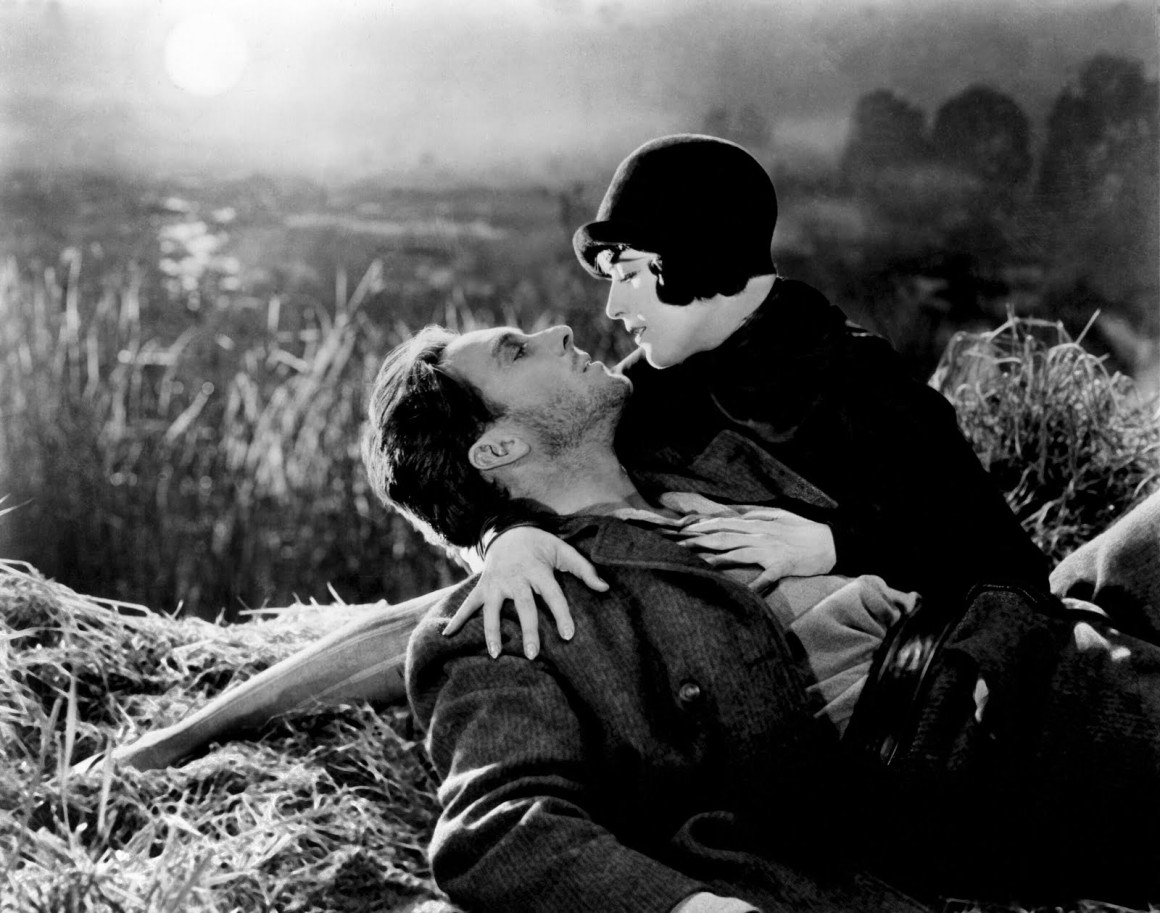
Another way Silent Film engages us is by telling us very little about our story’s players and events. It’s similar to the way these same kinds of story elements are presented in young children’s books. In Silent Film it doesn’t come off like we’re being told a child’s fairy tale,…
-
Say, Did You Hear That?
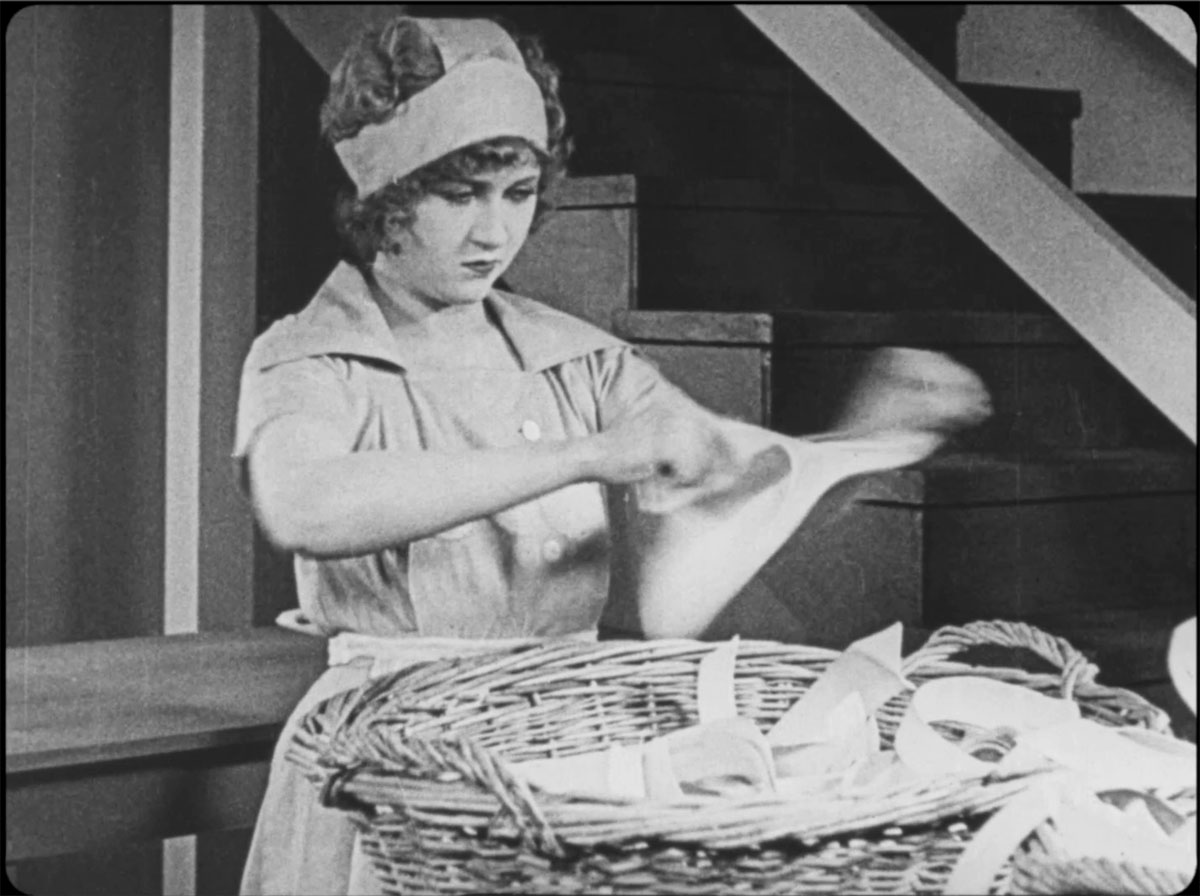
A ventriloquist isn’t actually throwing their voice, although that’s often how the skill is referred to. The ventriloquist’s voice appears to be coming from the dummy because the artist is creating an illusion. She or he is paying attention to the dummy or puppet as if it were actually the…
-
Selective Sound Frees Up Some Logic
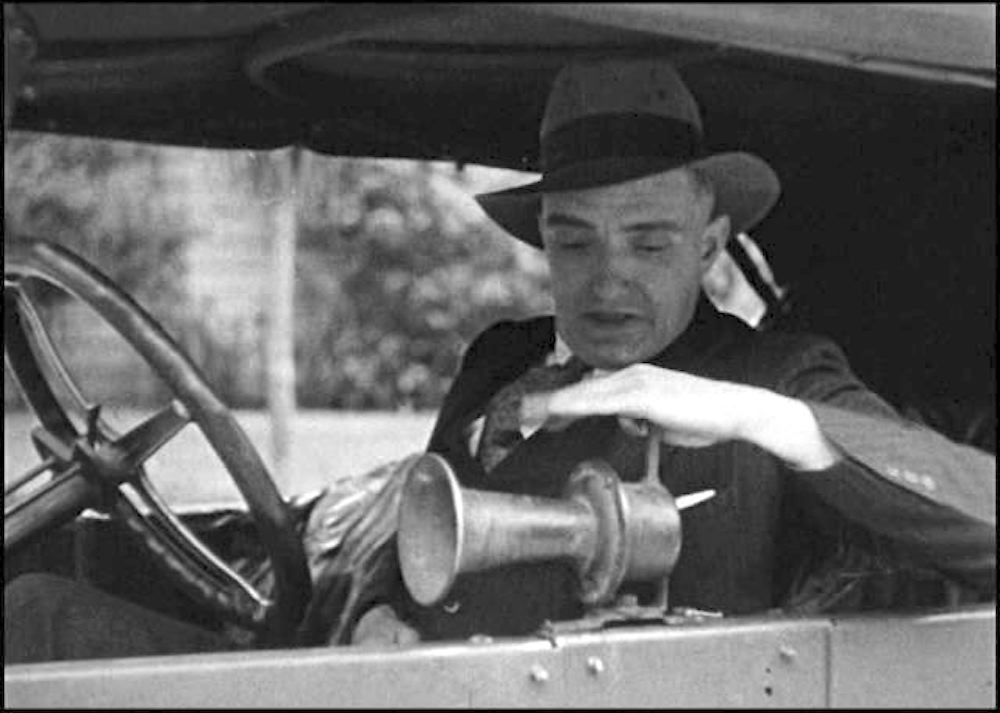
What did this aberration of the presence of sound mean to people making Silent Film? While it’s not known who or when this was figured out or came into regular use, it was clearly a known entity of the world of silent movies. I’ll bet that, if you weren’t aware…
-

If A Tree Falls in the Woods in a Silent Film
One of my favorite natural laws of the universe of Silent Film involves, of all things, sound. That is, sound that happens in a scene, and whether or not it exists. The acceptance of the sound that should be heard is selective, regardless of whether or not we see what…